Business Challenges
↓ System SolutionFragmented dual-system data forces agents to switch constantly—inefficient and error-prone.
System Response
Deep API integration unifying interfaces and workflows—no more system fragmentation

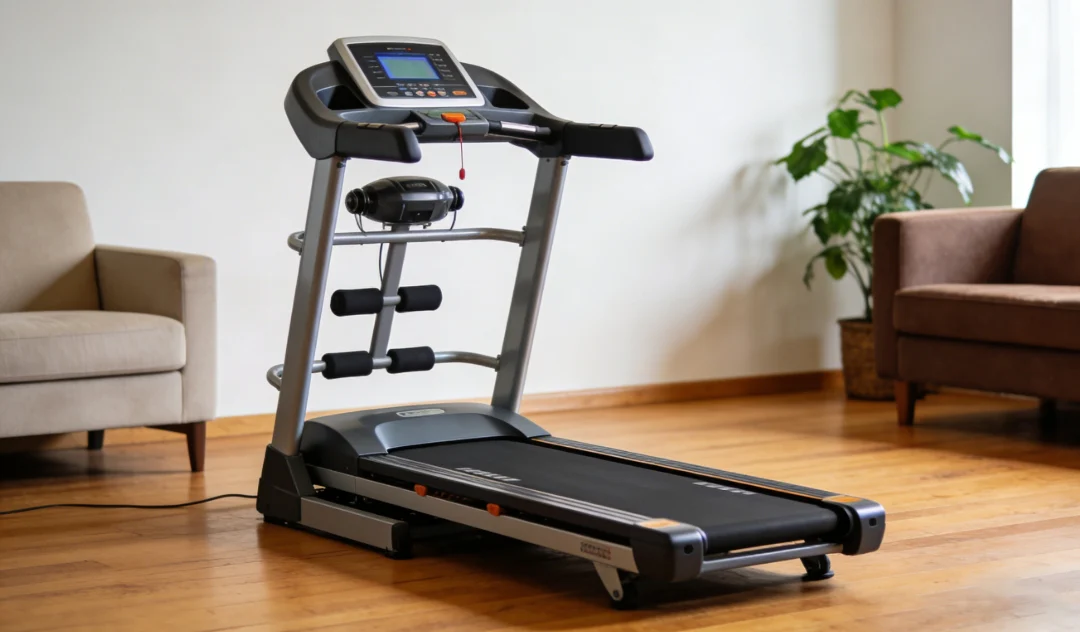
Shenzhen SJ Living Technology Co., Ltd.: a global smart fitness company. Customer service used Zendesk while business ran on Qingflow, with systems siloed. Through deep API integration, we connected the two systems and built a ticket-centric one-stop platform with unified interfaces, linked workflows, and interoperable data.
Present real post-launch improvements with quantifiable business metrics, making project value more intuitive and easier to understand.
Average ticket handling time reduced
In-ticket business closure rate
Operational error rate reduced
Shenzhen SJ Living Technology Co., Ltd. is a global smart fitness company whose after-sales and business flows run in two systems: agents handle user inquiries in Zendesk while orders, logistics, and other business processes flow through Qingflow. Constant switching and manual syncing between the two caused slow response and errors, undermining the global user experience.
Fragmented dual-system data forces agents to switch constantly—inefficient and error-prone.
Deep API integration unifying interfaces and workflows—no more system fragmentation
Data relies on manual sync, prone to errors and omissions that hurt business accuracy
A cross-system data interoperability mechanism keeps multi-source information consistent in real time, eliminating data silos
Key business cards and action buttons from Qingflow are embedded in the Zendesk ticket panel, so agents never leave their current screen. Depending on ticket type (exchange, repair, etc.), agents can trigger preset Qingflow workflows in one click, with tracking numbers and progress synced to tickets in real time. After launch, agents no longer switch systems or re-enter data—average ticket handling time dropped by 40% and in-ticket business closure reached 100%.
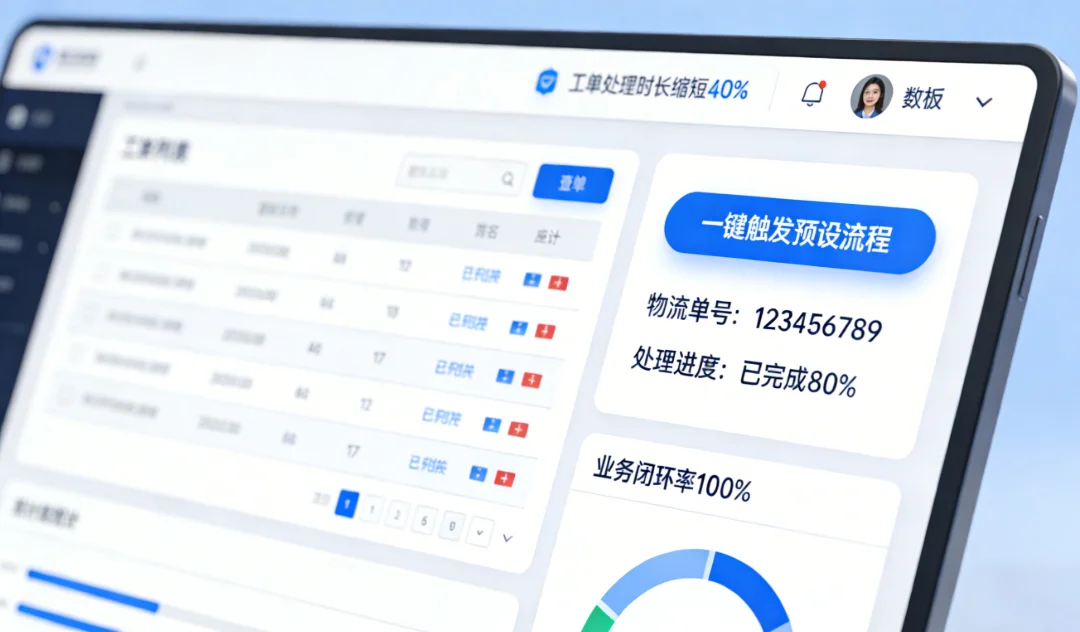
User and order data are automatically linked and updated across systems, ensuring agents always see consistent, up-to-date information. The global support team responds based on unified, accurate real-time information, drastically reducing operational errors and safeguarding service quality and professionalism. With operational error rate down 90%, the frontline experience improved significantly, delivering an efficient, consistent after-sales experience for users worldwide.
Fragmented dual-system data forces agents to switch constantly—inefficient and error-prone. Deep API integration unifies interfaces and workflows, ending system fragmentation. QingDaYun implemented the corresponding system modules through custom development, proven effective across multiple cross-border e-commerce projects.
Data relies on manual sync, prone to errors and omissions that hurt business accuracy. A cross-system data interoperability mechanism keeps multi-source information consistent in real time, eliminating data silos. QingDaYun implemented the corresponding system modules through custom development, proven effective across multiple cross-border e-commerce projects.
More cross-border e-commerce industry case studies are available in the Client Case Study Library, or learn about QingDaYun to understand our delivery methodology.
QingDaYun provides custom digital system construction services for enterprises, with 100+ projects delivered.